
In a complex project, owners trust contractors to ensure safety and mitigate risk. But at the end of the day, owners bear the responsibility. We help you take control of your projects with tools to benchmark and improve core aspects of your work. Because to be the best, you have to know where you stand.
We provide ready-to-use tools designed to help you analyze, evaluate, forecast, and outperform the competition — tools for safety management, program management, labor market analysis, risk management, and workforce development.
CURT is a community — a robust network of construction leaders, from young professionals to those with decades of experience. Our members consistently rank the enduring relationships, broadened perspectives, and wisdom they gain as CURT members as the greatest value of CURT membership.
Together, CURT members tackle national and international construction issues, build strategic partnerships, and promote best practices across the industry.


Our national conference brings together members and industry leaders from across the country to address key issues facing owners. Learn from others’ projects, discover new approaches to common problems, and connect with peers.
But you don’t have to wait for the conference to benefit from the community. We host member meetings, sprint teams, and summits throughout the year — events focused on pressing issues facing your organization.


For most of the last decade, owners could treat craft labor availability as their contractor’s problem. You prequalified on safety, bonding, financial strength, and relevant experience, and you assumed a qualified firm would find the people. That assumption is weaker than it used to be, and the contractor market is reorganizing itself in response. The …

While the industry has long been focused on how to get people into construction, the conversation needs to shift to how we get them to stay and grow. That question is especially pressing in today’s tight and competitive labor market. Recruiting and retention are too often treated as separate strategies when they are instead deeply …
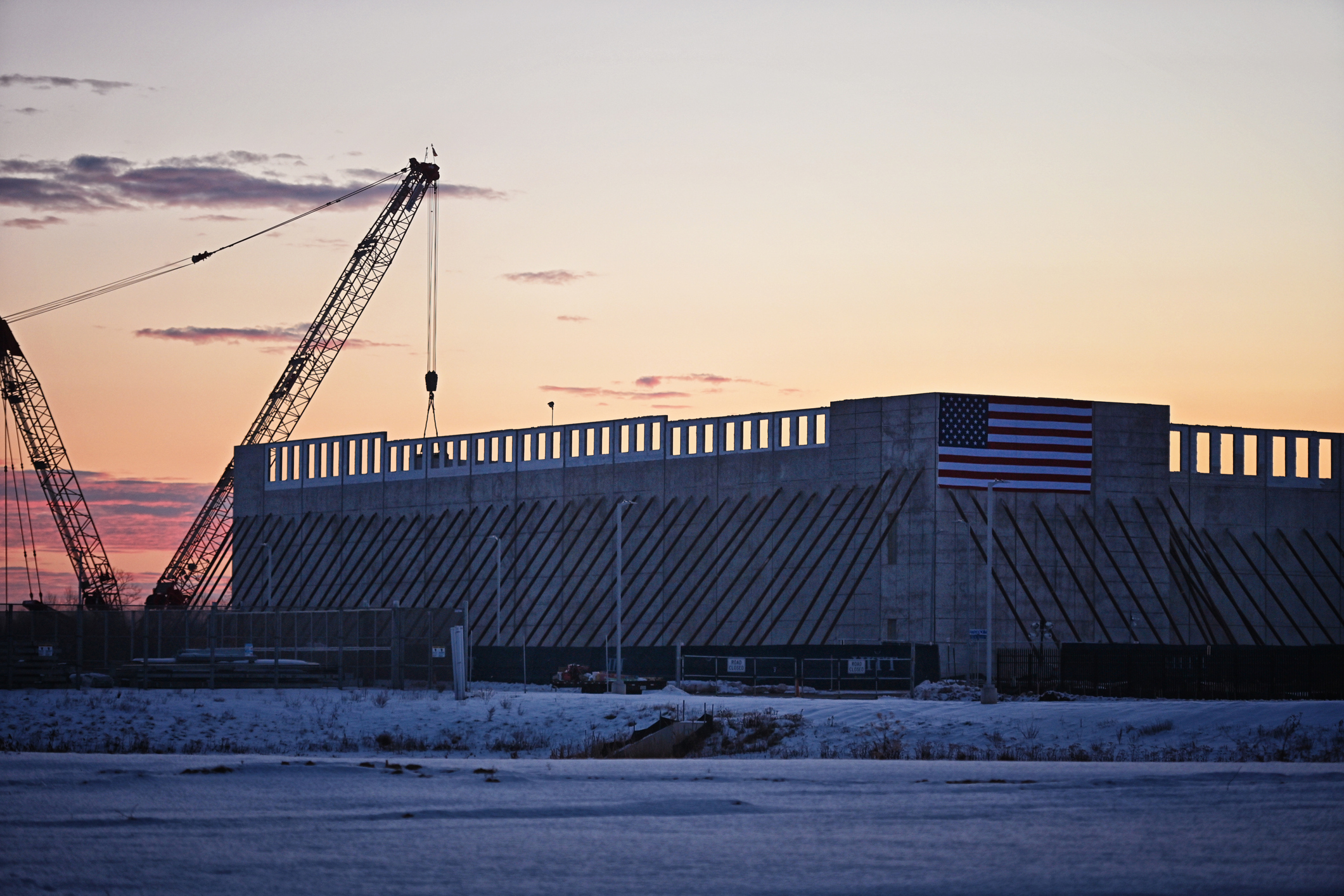
The construction landscape is experiencing an unprecedented shift in capital allocation. Driven by the rapid expansion of cloud computing, artificial intelligence, and global digital infrastructure, data center construction has grown from a niche into a major driver of commercial construction. Industry giants like Amazon Web Services (AWS), Google, and Meta are leading this charge, pouring …